The Race-Day Fit Is Officially a Thing: Womens Marathon Singlet Trends Picking Up Pace
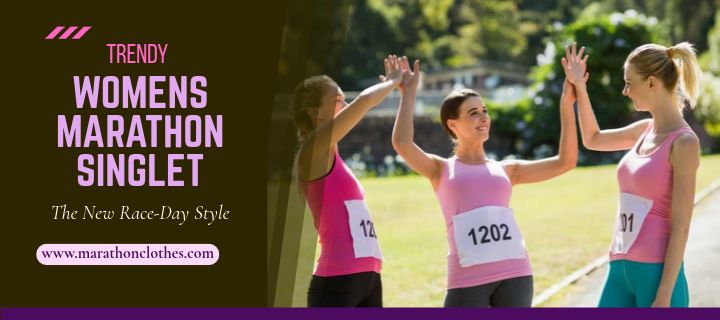
Not too long ago, getting dressed for a marathon was mostly about practicality. Something light? Check. Comfortable? Great. Won’t become unbearable after a few sweaty kilometers? Even better.
Style was pretty far down the list.
That has changed. Running has become a much bigger social scene, with weekend run clubs, destination races, training groups, and post-race photos all becoming part of the culture.
Naturally, runners are paying more attention to what they wear. Performance still comes first, but nobody said a race-day outfit had to look boring.
Women’s marathon singlets are right in the middle of that shift. Here’s what is changing.
Race-Day Color Is Getting Harder to Miss
The sea of black and grey running gear is finally getting some competition.
Many high-energy tones like purple, lime, electric blue, vivid orange, and hot pink are popping up everywhere more and more. They make sense for racing, too. A distinctive color can help a runner stand out when friends or family are scanning a crowded course.
There is also plenty happening beyond solid shades. A simple singlet gets a much-deserved upgrade with cheeky color combos, random trims, graphic prints, two-shade panels, and contrast piping.
For retailers, that means color can do some of the selling before shoppers even get to the technical details.

One Generic Fit Won’t Cut It Anymore
Women need options. Manufacturers can’t get by just shrinking a standard running tank and pass it off as a design strategy.
Some runners like a loose silhouette that barely hangs on to the body. Others prefer a neat, snug fit. The category can expand with slightly boxier cuts, roomy armholes, racerback shapes, curved hems, and cropped lengths.
That choice matters when building a collection. Retailers researching wholesale womens marathon tank top can look beyond a single standard silhouette. Try a mix of fits suited to styling preferences, climates, and diverse runners.
After all, 25+ miles is a long way to run in something that never felt proper in the first place.
Lightweight Fabric Still Wins the Race
A singlet can start fresh at the starting line and still end looking terrible by 10 miles.
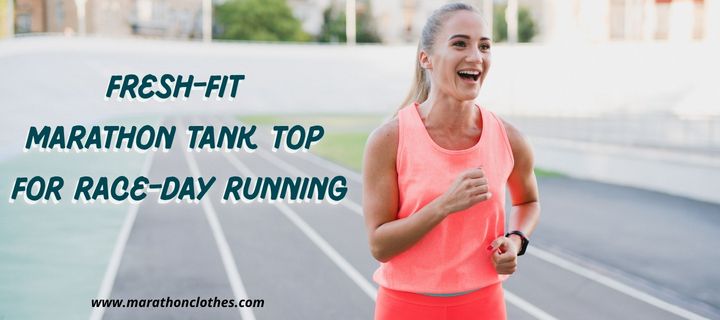
Performance and fabric go hand in hand. Runners want light, breathable materials that keep moisture away from the skin. Another bonus point would be quick-dry construction for dealing with humidity and heat.
Use of mesh has been paramount. Giving ventilated sections across high-sweat regions can improve airflow without making the whole outfit look like traditional technical sportswear.
Runners wouldn’t even notice the best designs once they are running in them.
Tiny Details Can Save a Long Run
A rough seam might seem harmless during a five-minute fitting. After hours of repetitive movement? Different story.
Marathon distance can look a bit different with subtle changes like carefully positioned stitching, tag-free interiors, comfy armholes, soft neckline finishes, and smooth or flat seams. No runner wants chafing, so they strictly avoid clothing that can contribute to it.
Retail buyers should, too.
Custom Singlets Are Becoming Part of Running Culture
Running is increasingly about belonging to something.
Run clubs have their own identities. Charity teams want coordinated kits. Race groups create matching outfits. Even friendship circles sometimes plan their marathon looks together. That gives customizable singlets a life beyond the regular activewear rack.
Sustainability Is Finding Its Lane
Performancewear now can’t escape the sustainability conversation.
Marathon apparel gets that extra appeal thanks to more thoughtful fabric choices, durable materials, and recycled fibers. Shoppers now want pieces to last past one race season.
There’s a kicker: customers can now spot vague eco claims from miles away. They want to see clear information about fabric composition and construction, which will carry more weight than just sticking a green-sounding label on a hangtag.
The Finish-Line Takeaway
The marathon singlet is no longer just the simplest top a runner can wear on race morning. It has become part of the whole experience, for activewear businesses, that opens up plenty of creative territory. Better fits, punchier colors, smart technical details, customization, and durable materials can all give this once-basic category a much stronger retail identity.
The race-day fit is getting serious, and the singlet finally looks ready to keep pace, creating new opportunities for singlet manufacturers Australia to meet the growing demand for stylish, performance-focused running apparel.
For business owners and retailers building the next race-ready collection, sourcing distinctive women’s marathon singlets from experienced manufacturers and suppliers can help their activewear lineup sprint beyond the basics.


